What You Need To Know About Roof Heat Wires
What are Roof Heat Wires?
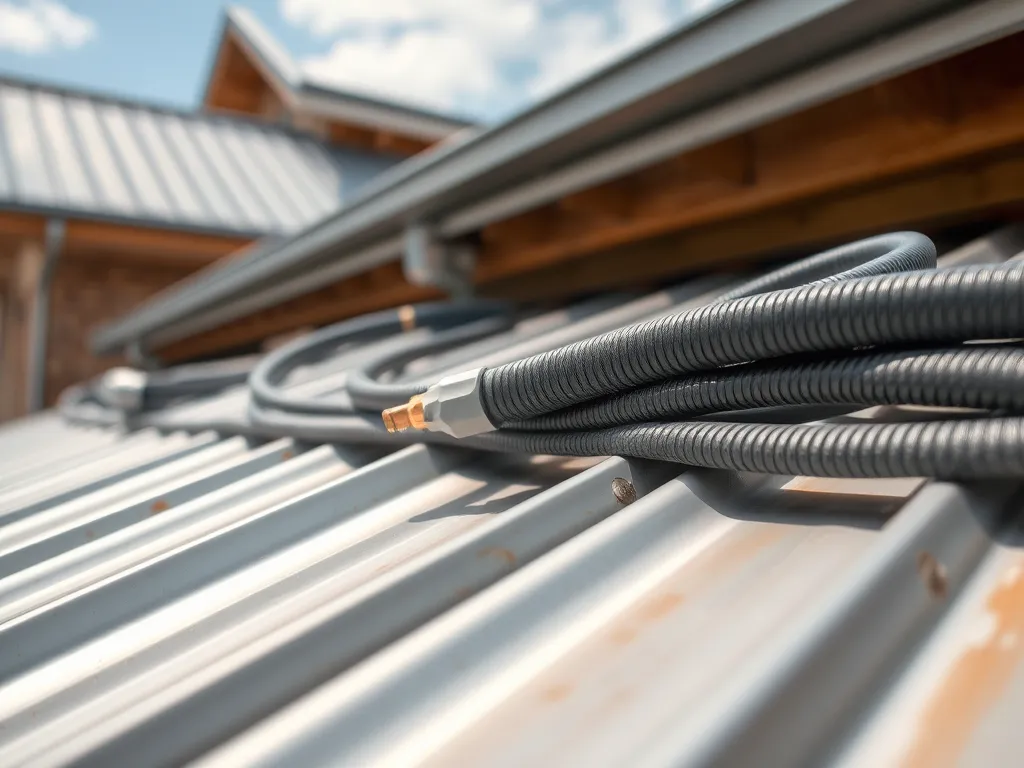
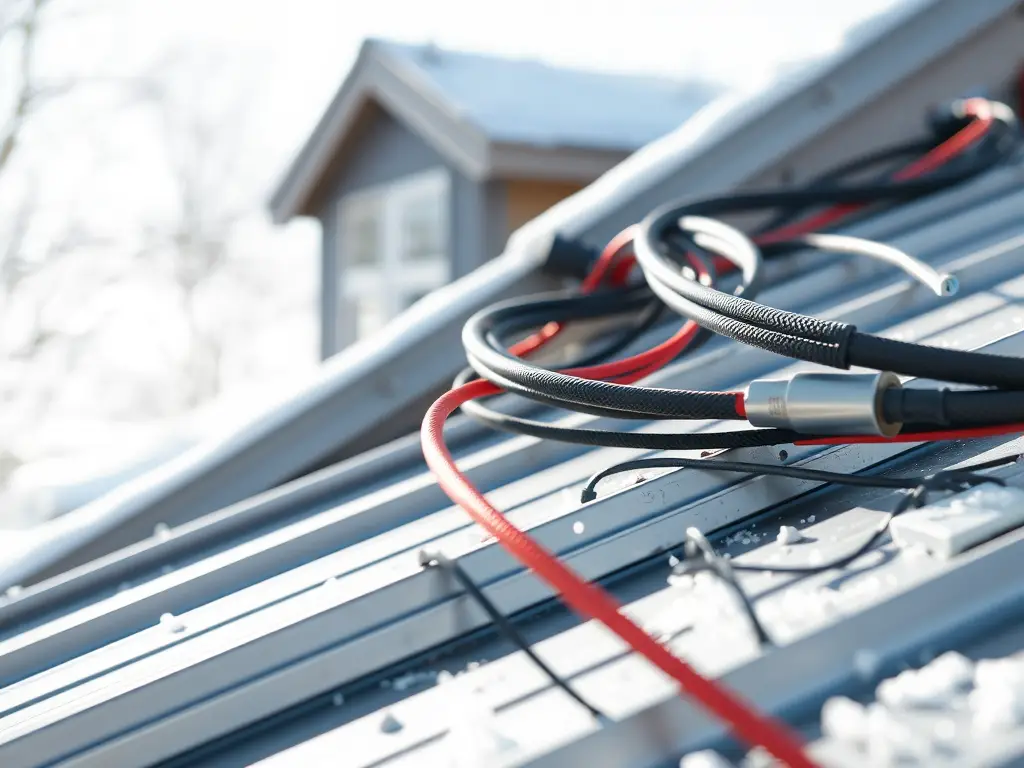
Roof heat wires are lengths of cable, tape, or wire installed on your shingles that heat up to stop water from freezing on your roof. They are commonly used during cold months to prevent ice dams from forming.
Why You Shouldn’t Use a Roof Heat Cable for Ice Dams
Roof heat cables sound like a clever way to prevent ice dams — but before you hire someone to install them, there are some important things to understand. There are many details about roof heat wires that people often misunderstand.
1. Roof Heat Cables Can Be Dangerous
You are putting heated wire on top of your roof. According to a Washington Post safety notice, roof heat cables cause about 2,000 structure fires each year and lead to over 100 injuries. So yes — they can absolutely be dangerous.
2. Heat Cables Are Not a Cure-All
A common misconception is that heat cables will remove all the ice from your roof. That isn’t how they work. Roof heater cables only melt snow and ice directly around them — you’ll typically see thin streaks of clear paths melted in the snow. Their job is to create channels for water to flow to the gutters, not to clear your entire roof. They also won’t help if your gutters are clogged.
3. Cables Are an Added Utility Expense
For an average-sized roof, expect to pay around $7.25 per day to run your roof heat cables. In winter, you may need to run them all day for many consecutive days — and that adds up fast. It’s smart to have an on/off switch so you can use them only as needed. In most cases, homeowners don’t actually need heat cables at all — regular maintenance like raking your roof when snow accumulates is both safe and cheap.
4. Roof Heat Cables Need Precise Installation
If the contractor you hire doesn’t have much experience, problems can arise. Improperly installed cables can make things worse — the ice they melt can refreeze on other parts of your roof if the cables aren’t positioned to direct all melted water to the ground or gutters. Correct, strategic installation is critical.
5. Cables Look Bad in Spring and Summer
Unless you live in the Arctic Circle, you won’t need heat cables year-round. In spring and summer, the cables are fully visible and resemble broken Christmas lights scattered across your roof — they add no aesthetic value whatsoever. Taking them down and reinstalling them every year is a hassle, and the average installation cost is between $450 and $1,200.
6. There Are Better Ways to Solve Ice Dams
This is the most important point — there are much better ways to prevent ice dams. In most cases, ice dams form because heat escapes from inside your home, melting snow on the roof which then refreezes at a colder section. Fixing these heat leaks is the most effective way to prevent ice dams and will also significantly lower your heating costs — far more than relying on roof heat wires alone.
Have questions about your roof or ice dam prevention? Contact Maine ProRoofing today for an expert consultation.