
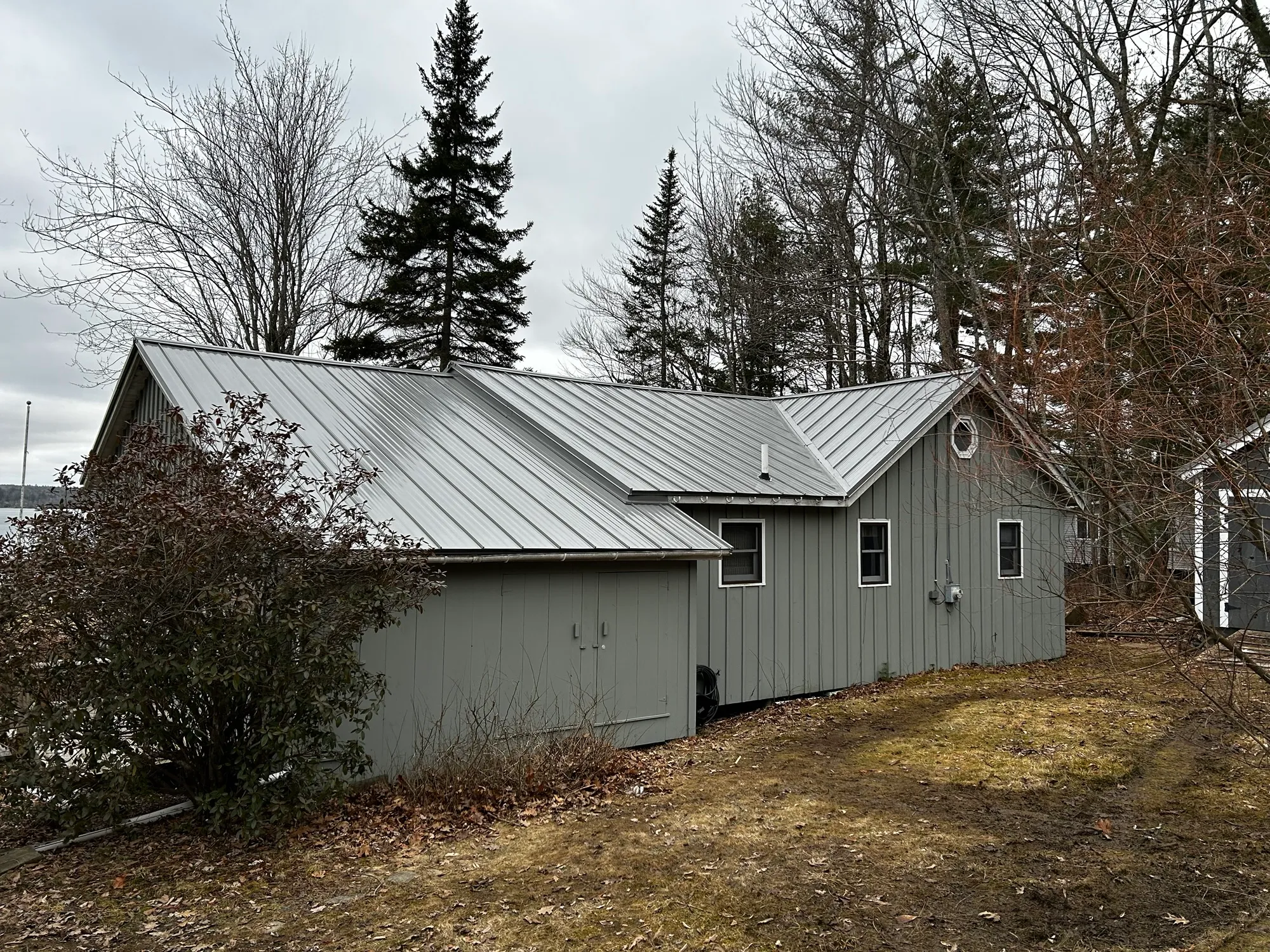
The Best Guide To Snap Lock Metal Roofing Installation
Here’s a comprehensive guide to installing snap lock metal roofing. These roofs are popular because they are durable, look great, and need little maintenance. The snap lock system also makes installation straightforward compared to other metal roofing types.
Materials & Tools Needed
- Snap-lock metal roofing panels
- Underlayment (such as synthetic roofing felt)
- Roof screws with rubber washers
- Flashing
- Ridge caps
- Drip edge
- Tape measure
- Chalk line
- Tin snips or metal cutting tools
- Cordless drill or screw gun
- Safety equipment (harness, gloves, goggles)
Step 1: Prepare the Roof
Inspect the roof deck: Make sure the roof deck is clean, dry, and free of damage or debris.
Install underlayment: Roll out the underlayment starting from the bottom edge of the roof, overlapping each layer by 2 to 4 inches. Secure it with staples or roofing nails.
Install the drip edge: Attach drip edge flashing along the eaves and rake edges to prevent water infiltration.
Step 2: Measure and Plan
Take measurements: Measure the roof area carefully and plan the layout of your panels to reduce waste.
Snap chalk lines: Use a chalk line to mark the placement of the first panel, ensuring straight and precise alignment from the start.
Step 3: Install the Snap Lock Metal Roofing Panels
Start with the first panel: Position the first panel along the chalk line at the edge of the roof. Make sure the male side of the snap-lock system faces outward.
Secure the panel: Attach the panel to the roof using screws with rubber washers, placed in the predrilled slots or concealed fastening system.
Snap the next panel in place: Align the next panel, connect the male and female locking edges, and press down firmly to secure them together.
Repeat: Continue installing panels across the roof, ensuring each one is tightly locked and securely fastened before moving to the next.
Step 4: Install Flashing and Ridge Cap
Flashing: Add flashing around chimneys, vents, valleys, and along the eaves of the roof to prevent water leakage and ensure a tight seal.
Ridge cap: At the top of the roof, install ridge cap pieces to cover the gap. This helps with ventilation and enhances the roof’s overall integrity. Use screws or fasteners to secure the ridge cap as needed.
Step 5: Final Inspection
Check for alignment: Make sure all panels are straight and locked securely.
Inspect screws: Confirm that all screws are tight, but avoid over-tightening to prevent damage to the panels.
Clean up: Remove all debris and metal cuttings from the roof to avoid rusting or staining.
Tips for Success
- Work safely — Always wear proper safety gear and use roof safety systems, especially on steep roofs
- Double-check measurements — Mistakes in measurements can be costly, so verify before cutting
- Follow manufacturer’s instructions — Some snap-lock systems have unique installation guidelines that must be followed
- Ask for help when needed — If you are unsure about any step, consult a professional roofer
This guide will help you understand the snap lock installation process. If you’re working on a steep or complex roof, consider getting professional assistance to ensure the job is done safely and correctly.